How Does a Day With a Desentupidora in Luz São Paulo SP Actually Work?
If you live or work in the Luz area of São Paulo, you already know that plumbing emergencies don’t wait for business hours. What changed recently is how quickly a crew can reach you and how transparent the process has become. In this day-in-the-life account, I’ll walk you through what actually happens when you call a desentupidora Luz São Paulo SP, from the first phone call to the final check. Think of it as a training session for beginners: requirements first, then the procedure, then what to verify before you sign off.
What You Need to Know Before Calling a Desentupidora in Luz
Before you dial, get clear on what the service is and what it is not. A desentupidora handles blockages in drains, toilets, sinks, and main sewer lines. It also performs hydrojetting, septic tank cleaning, and emergency repairs. What it does not do is redesign your entire plumbing system or fix structural foundation issues.
In Luz, a neighborhood with a mix of older buildings and newer commercial spaces, blockages often come from grease buildup in restaurant kitchens, tree roots in older clay pipes, or accumulated debris in shared condo lines. Knowing the likely cause helps the technician choose the right equipment from the start.
Basic requirements for a smooth service call
- Clear address and access instructions – include floor, apartment number, and any gate codes.
- Description of the problem – is it a slow drain, a complete backup, or a recurring issue?
- Knowledge of the building type – house, apartment, commercial kitchen, or condominium.
- Permission to access common areas – if the blockage is in a shared line, the building manager may need to be present.
- Payment method – confirm accepted cards or cash before the crew arrives.
One common mistake beginners make is calling a generic handyman for a sewer backup. A specialized desentupidora Luz has the hydrojetting equipment and camera inspection tools that a generalist simply doesn’t carry. That difference often means the problem is fixed in one visit instead of three.
Why the Luz location matters
Luz sits in a busy part of São Paulo with narrow streets and heavy daytime traffic. A local crew knows the shortcuts and the typical building layouts. They also understand the age of the plumbing in the area, which affects how they approach older pipes. If you hire a company from far away, you may wait longer and pay more for travel time.
When you search for a desentupidora em Luz São Paulo SP, prioritize one that explicitly serves the neighborhood and offers 24-hour emergency response. That local focus is not just about speed; it is about familiarity with the specific challenges of the area.
A Day in the Life: The Procedure From Call to Cleanup
Now let’s walk through a typical day. I’ll use a real scenario: a restaurant owner in Luz calls at 7 a.m. because the kitchen floor drain is backing up and the lunch rush starts in four hours. Here is how the process unfolds, step by step.
Step 1: The initial call and triage
The dispatcher answers, asks a few questions, and classifies the urgency. A complete blockage with sewage backup is a priority. A slow drain can be scheduled later the same day. You will be asked for the address, the type of establishment, and whether water is currently overflowing. This triage helps the crew bring the right tools.
In this case, the dispatcher flags it as urgent and says a team can arrive within 60 to 90 minutes. They also advise the owner to stop using water in the affected area to prevent further overflow. That small instruction saves a lot of cleanup later.
Step 2: Arrival and assessment
The crew arrives in a marked van with hydrojetting equipment and a camera inspection system. The technician first talks to the owner to confirm the problem and then inspects the drain. They may use a flashlight and a manual snake to feel for the blockage. If the blockage is deep, they insert a camera to see exactly what is causing it—grease, roots, or a collapsed pipe.
This assessment step is critical. Without it, a technician might use the wrong pressure or the wrong tool and damage the pipe. A professional always explains what they found before starting the work. If they can’t tell you what’s wrong, that’s a red flag.
Step 3: The desentupimento itself
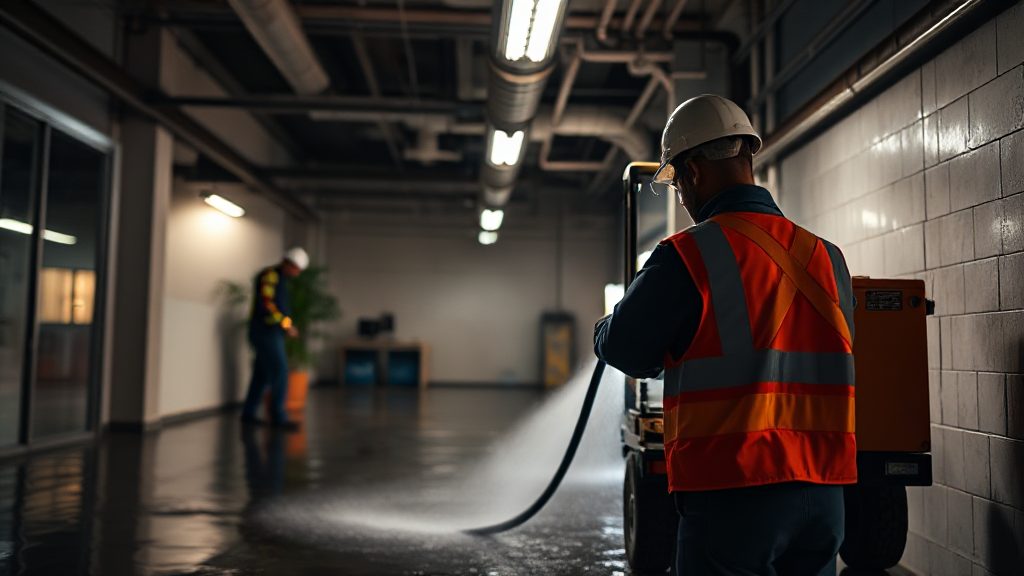
For grease blockages, hydrojetting is usually the method of choice. A high-pressure water jet scours the inside of the pipe, removing grease, soap scum, and debris. For roots, a cutting tool may be needed first, followed by hydrojetting to flush the pieces away. For a simple clog in a sink or toilet, a manual auger or plunger might suffice.
The technician works from the access point closest to the blockage. In a restaurant kitchen, that might be a floor drain or a cleanout valve. They monitor the water flow and adjust pressure as needed. Hydrojetting is powerful but must be used carefully on older pipes; a trained technician knows the safe pressure range.
Throughout the process, the crew lays down protective covers to keep the area clean. They also communicate with the owner about progress. This transparency is part of what you pay for when you hire a specialized service.
Step 4: Verification and cleanup
Once the blockage is cleared, the technician runs water through the line to confirm flow. They may use the camera again to check that the pipe is clean and free of cracks. Then they clean the work area, dispose of debris, and provide a brief report. In our restaurant scenario, the whole job takes about two hours, leaving plenty of time before the lunch rush.
The owner receives a written summary of what was done and any recommendations for prevention. This might include installing grease traps or scheduling regular maintenance. A good desentupidora leaves you with a plan, not just a cleared drain.
Step 5: After-hours and emergency calls
Not every call happens during the day. A residential building in Luz might have a sewage backup at 11 p.m. The process is similar, but the crew operates with headlamps and portable lighting. Emergency response teams are on standby 24/7, and they prioritize calls based on severity. A burst pipe flooding an apartment gets immediate attention; a slow kitchen sink can wait until morning.
For after-hours service, expect a slightly higher call-out fee, but the core procedure remains the same. The technician will still assess, explain, and verify before leaving.
What to Check After the Service Is Done
You’ve seen the procedure. Now let’s talk about verification. A beginner might just say “thanks” and pay the bill. A trained eye checks a few key things to ensure the job was done right and to avoid a repeat visit.
Immediate checks
- Water flow – run water in all affected fixtures for a few minutes. It should drain smoothly and quickly.
- No leaks – inspect the area around the access point for any signs of water seepage.
- Clean workspace – the crew should have removed all debris and left the area as clean as they found it.
- Written report – ask for a summary of the work, including any parts replaced or recommendations.
Long-term considerations
Some blockages are symptoms of a bigger problem. If the same drain clogs repeatedly, you may need a camera inspection of the entire line. Tree roots, for example, can regrow if the pipe isn’t repaired. A professional will tell you if they see signs of structural damage and recommend a follow-up.
For commercial kitchens, regular hydrojetting every six months can prevent grease buildup from becoming a crisis. For residential buildings, annual maintenance of common sewer lines is a smart investment. Prevention is always cheaper than an emergency call.
Costs and trade-offs
Costs vary based on the complexity of the blockage, the time of day, and the equipment needed. A simple sink unclog might cost less than a full hydrojetting job. Emergency calls and after-hours service typically carry a premium. Always ask for a quote before work begins, and confirm whether the price includes cleanup and disposal.
There is a trade-off between choosing the cheapest option and choosing a reliable one. A low-cost provider might use less effective tools or skip the camera inspection, leading to a quick fix that fails in a week. A specialized company may charge more but solves the problem thoroughly. In the long run, the thorough approach saves money and stress.
Common mistakes to avoid
Do not pour chemical drain cleaners into a completely blocked drain. They can damage pipes and create a hazardous mixture. Do not ignore a slow drain; it is often a warning sign of a larger blockage. And do not hire a company that cannot provide a clear explanation of the cause and the solution.
One more thing: verify that the company is licensed and insured. In São Paulo, reputable desentupidoras carry proper credentials. You can ask for proof before they start.
Frequently Asked Questions
How quickly can a desentupidora arrive in Luz?
Response time depends on traffic and demand, but a local emergency service typically arrives within 60 to 90 minutes for urgent calls. Scheduling ahead for non-emergency work can get you a same-day or next-day slot.
Do I need to be present during the service?
Yes, it is best to be present or have a representative on site. The technician needs access to the affected area and may need to ask questions. For condominiums, the building manager should be available to authorize access to common areas.
What is the difference between desentupimento and hidrojateamento?
Desentupimento is the general term for clearing a blockage, which can be done with a plunger, auger, or hydrojetting. Hidrojateamento is a specific method that uses high-pressure water to scour the inside of the pipe, ideal for grease and roots. It is more thorough but requires specialized equipment.
Can I prevent future blockages?
Yes. Avoid pouring grease down drains, use drain screens to catch hair and debris, and schedule regular maintenance for commercial kitchens and older buildings. A professional can recommend a maintenance plan tailored to your property.
Is it safe to use chemical drain cleaners?
Occasional use may be okay for minor clogs, but frequent use can corrode pipes. For a complete blockage or a recurring problem, mechanical methods like hydrojetting are safer and more effective. Always consult a professional before using harsh chemicals.